
David Bornancin Art Coach
David Bornancin is a local Cleveland artist known for expressive landscapes and abstract paintings that evolve alongside the viewer. Self-taught and endlessly curious, David began creating art more than 18 years ago, first through drawing and illustration, then gradually finding his voice on canvas.
In the last five years, he has participated in over 60 shows with over 160 paintings sold and in beautiful homes and collections across the Ohio region.
Beyond painting, David is passionate about helping other artists succeed. With over 30 years of experience in sales and relationship-building, he coaches local creatives on how to navigate the business side of art—bridging the gap between making meaningful work and confidently selling it.
David Bornancin Art Coach
Why Everything Feels Fake in Art
Use Left/Right to seek, Home/End to jump to start or end. Hold shift to jump forward or backward.
Your eyes aren’t broken. A lot of what we’re seeing online really does feel fake, and the art world is right in the middle of it. We dig into why so many images of “paintings” look convincing at first glance, then fall apart the moment you look for the human clues like texture, layering, and the natural movement of oil, acrylic, and watercolor.
We talk about how AI-generated art and heavy digital imaging can produce polished results that mimic realism while skipping the physical truth of paint. We also challenge the loud claims that success is guaranteed if you just use the newest tools. From our perspective as working artists with real business experience, the long game is still built on craft: practicing every day, sharpening your eye, and making work that holds up beyond a screen.
Then we get practical about trust. Selling artwork and buying original art should not feel like navigating a scam, yet many artists run into weird payment moves, shady buyer behavior, and last-minute transaction problems. We share the warning signs to watch for and the mindset that helps you protect your work without getting cynical.
If you care about authenticity in the art business, want to spot manipulation faster, or you’re trying to sell paintings online with confidence, this one’s for you.
Subscribe, share with an artist friend, and leave a review telling us: what’s the biggest sign that something is fake?
Fake Success And AI Art
Digital Imaging And Missing Brushwork
Art Sales Scams And Trust Issues
Old School Skill Versus High Tech
Copying, Manipulation, And What To Watch
SPEAKER_00Today, we're gonna talk about why everything feels fake. And what you're gonna learn about this, you're gonna learn some key points about what feels fake when you're when you're an artist and the art business and the art world. What is what is going on here? And so you're gonna learn about some key points there. And you know, I'm the local artist, I'm the local Cleveland artist. I come with many, many years of experience. I've been in the business world, I've been an executive, and I've been an artist for 18 years. So you're gonna learn a lot of stuff. Okay, so what's happening is you've got a bunch of fake people and fake designs. So a lot of people are showing up some stuff and they say, Oh, I made millions of dollars, and I made millions of dollars, and they're and they're showing these creations that don't look real to me. They they look like there's something that has been been uh done here, and then you've got this AI creation stuff going on. Uh, people are invoking these AI tools, and what's happening is they're working those AI tools to make it look very real. But when you look at the actual creations, the problem is you can tell you can't see the oil color, you can't see the acrylic, you can't see the watercolors moved in right, and you can't see the right color blending and the right color masking. So that's what's going on there. And then what about what about all this digital crap that's going on, digital imaging? So uh what's happening? What is ever uh why does everything feel fake? Uh let's go on to trust issues. I've had a bunch of people tell me that they've tried to sell their artwork, they've tried to sell their paintings, and they're getting into all kinds of problems when the transaction comes together, and the the buyers are being a little scammy on the way they're handling the transaction. So there is an issue with trust. So that's something else we got to be concerned with. Uh, and then some people have actually told me that, you know, using old style designs and creations are not the way to go. It's got to be all high tech. You got to use all this high technology in order to sell anything. And I disagree with that. I don't believe that's that's what's needed. Uh, every day I try to perfect my skills and talents and God-given gifts to be able to create the best abstracts and also be able to create the best landscapes. So I'm not sure old style versus new wave versus new AI versus new digital versus new anything is the way to go. And then I think there's a lot of manipulation going on with this imaging stuff. And I think I think people are copying stuff and then manipulating it and then trying to reproduce it. And when you look on that screen and you see their actual visual representation of those paintings, it looks fake to me. So those are things you need to be concerned with.

Podcasts we love
Check out these other fine podcasts recommended by us, not an algorithm.
David Bornancin Unscripted
David Bornancin
The Art Angle
Artnet News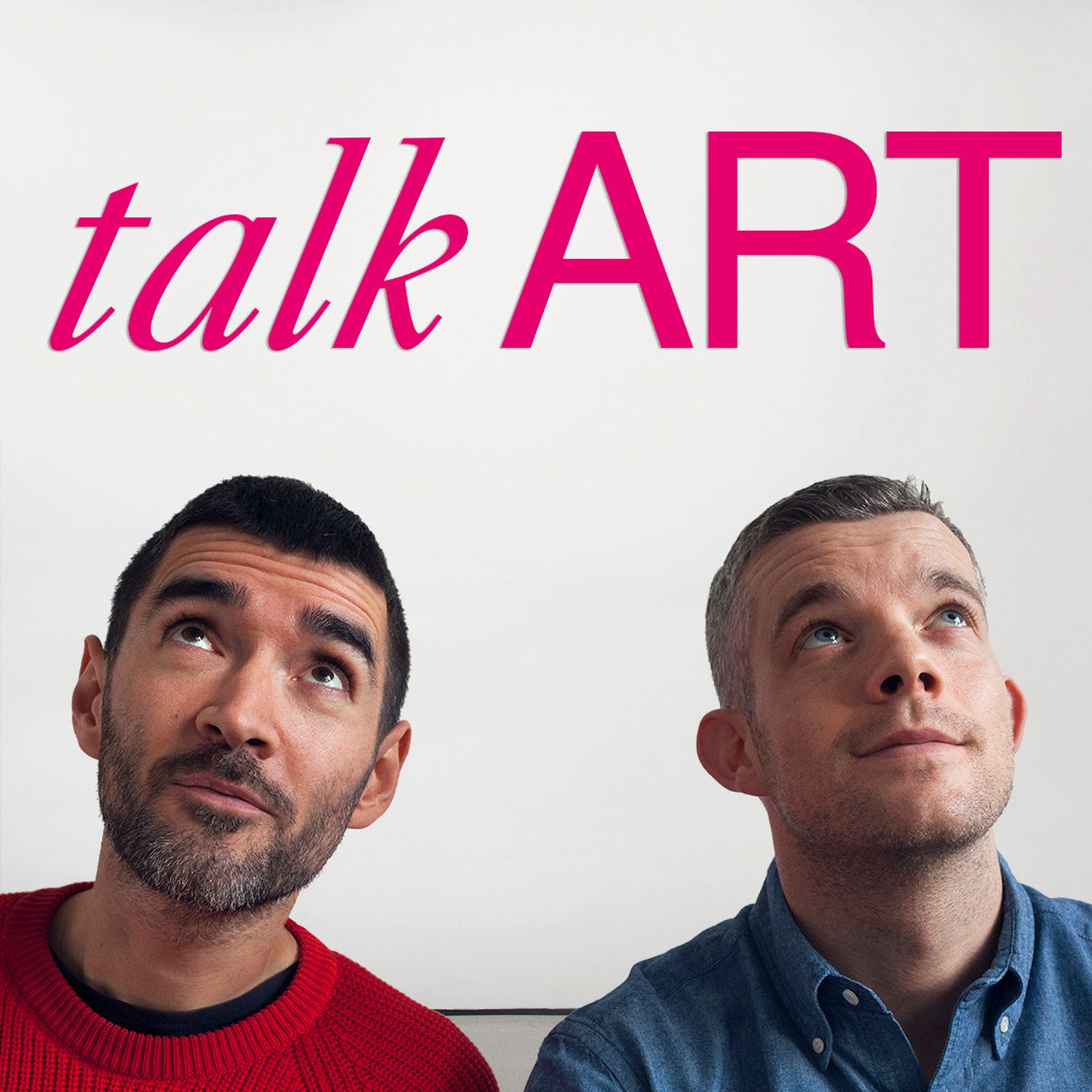
Talk Art
Russell Tovey and Robert Diament
The Week in Art
The Art Newspaper
Art Ed Radio
The Art of Education